

Existing Buildings Hold the Key to Decarbonisation
July 16, 2026
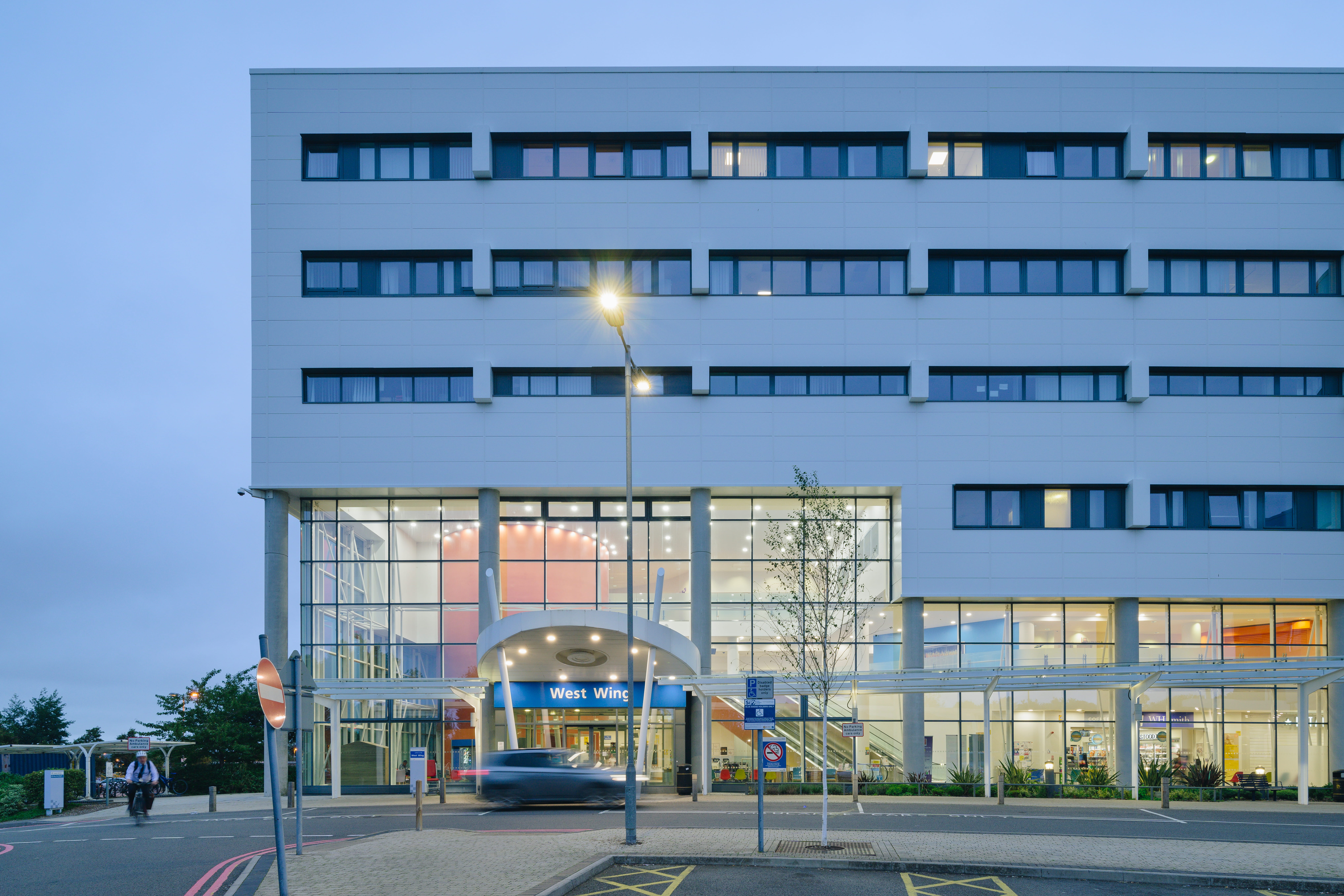
New developments attract attention. Higher building standards, modern construction methods and low-carbon design are all moving in the right direction. But the scale of what’s needed to decarbonise the built environment cannot be met by new construction alone.
The real challenge—and the real opportunity—lies in the buildings that already exist.
Across Europe, approximately 85% of buildings were constructed before 2000 and 75% are considered to have poor energy performance. For decades, BEX Group brands have worked alongside electricians, contractors and wholesalers on the electrical infrastructure inside those buildings. What that experience makes clear is this: upgrading existing buildings is one of the most important and most achievable steps in the transition to a lower-carbon built environment.
The Scale of the Carbon Reduction Challenge in Buildings
The data reflects the scale of what needs to be done. In Ireland, just 4% of non-domestic buildings audited between 2009 and Q1 2026 have achieved an A Building Energy Rating (BER). By contrast, almost half (47%) of buildings newly constructed since 2025 have reached that standard. The gap between new and existing building stock could not be clearer.
The picture is similar in the UK. Analysis of 29.2 million Energy Performance Certificates found that more than 16 million homes fall below an EPC C rating, a figure that underlines the scale of retrofit required across the existing housing stock alone.
As governments strengthen energy performance regulations and organisations work towards sustainability targets, retrofitting has moved from a consideration to an essential part of the building electrification journey.
Every Successful Retrofit Starts with an Energy Audit
No two buildings are the same. They have different uses, occupancy patterns, energy demands and electrical infrastructure, much of it ageing and not designed to accommodate the loads or technologies now being asked of it. That’s why every successful retrofit begins with a clear understanding of how the building performs today.
An energy audit provides a comprehensive assessment of how energy is used throughout a building. It identifies where energy is being wasted and highlights the improvements that will deliver the greatest impact. It establishes a baseline for current performance, allowing building owners and contractors to make informed investment decisions based on evidence rather than assumption.
The process typically begins with a review of historical energy consumption before progressing to a detailed site survey. Specialists assess lighting, heating, ventilation, controls, electrical infrastructure and, where appropriate, the building fabric to understand how each system contributes to overall energy performance. The outcome is not simply a list of recommendations. It is a practical roadmap for improving the building over time.
From Energy Audit to Long-Term Decarbonisation Roadmap
A well-structured energy audit prioritises improvements according to their impact, cost and ease of implementation, helping contractors and building owners plan work strategically while managing budgets effectively. Recommendations typically fall into three stages:
- Immediate actions focus on lower-cost improvements that deliver quick energy savings, such as upgrading inefficient lighting to energy efficient LED technology, optimising smart building controls, adjusting operating schedules or improving system settings.
- Medium-term improvements address ageing equipment or systems that have reached the end of their operational life. This might include modern electric heating solutions, improved ventilation or upgrades to electrical infrastructure that can no longer safely meet current demand ensuring that all circuit protection meets all current wiring regulations.
- Long-term investment prepares the building for what’s ahead. As electrification accelerates, buildings need the capacity to support electric heating, renewable energy generation, battery storage, EV charging and smarter building controls. The infrastructure decisions made today directly affect how well a building can accommodate these technologies tomorrow.
By taking a phased approach, contractors and building owners can reduce energy consumption, improve operational efficiency and build a clear pathway towards long-term decarbonisation.
How BEX Group Supports the Retrofit Journey
The recommendations that emerge from a retrofit assessment frequently sit within the specialist areas covered by BEX Group’s wholesale-distributed brands. ROBUS, FuseBox and ATC have each been developed around the real demands of electricians and contractors working on exactly these projects.
ROBUS lighting solutions support the replacement of legacy systems with high-efficiency LED alternatives and smart control systems, one of the most common and cost-effective first steps in any retrofit programme.
FuseBox circuit protection products are designed to safely support the increasing electrical loads that come with modernisation, from additional circuits to the integration of EV charging, solar panels, batteries and other renewable technologies.
ATC brings electric heating, smart controls, ventilation and clean energy solutions that improve building performance and help prepare electrical infrastructure for the future.
What makes BEX Group’s position distinctive is the breadth of that combined capability. An electrician or contractor working on a retrofit project can draw on specialist expertise across lighting, circuit protection, heating and controls through a single group—one trusted partner with the product range, technical support and distribution infrastructure to back it up.
More Energy-Efficient Buildings for a Lower-Carbon Future
The most sustainable building is often the one that already exists. Retrofitting extends the life of existing structures while significantly reducing the energy required to operate them. Lower energy consumption means lower carbon emissions, reduced operating costs and buildings that are far better prepared for the future demands of electrification.
For BEX Group, building electrification is about more than replacing individual products. It’s about helping improve the performance of entire buildings through practical electrical solutions that support long-term sustainability.
Decarbonising the built environment will not be achieved through new construction alone. It will depend on upgrading the buildings that already shape our towns, cities and communities, and on the electricians, contractors and wholesalers with the expertise and the right products to do it.